The detonation engine is one of the most promising innovations in the aerospace sector because it does not simply improve existing technologies, but challenges the very principle of conventional combustion. The detonation engine belongs to the small group of innovations capable of transforming the foundations of an entire technology, much like the introduction of the turbojet did decades ago. Over the past seventy years, turbines have become more efficient, lighter, and more reliable, while electronics and cooling systems have reached levels that were once unimaginable. However, the process through which fuel releases energy has remained largely unchanged. As a result, many researchers view this technology as the first true conceptual leap in modern propulsion.
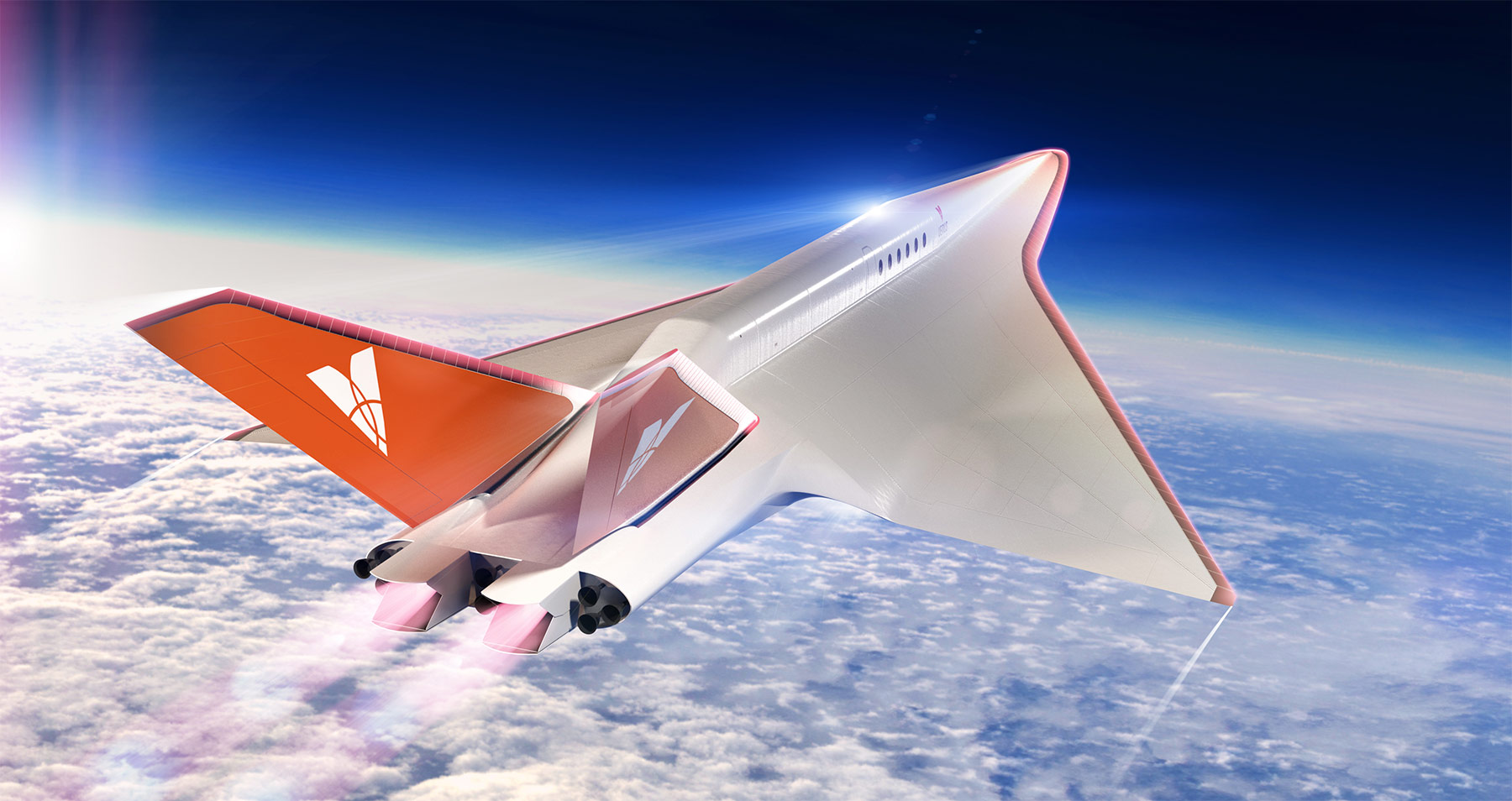
The Difference Between Combustion and Detonation
Although internal combustion engines are commonly referred to as “explosion engines,” fuel never actually explodes in the strict sense of the term. Instead, the air-fuel mixture burns progressively and in a controlled manner, with the flame front propagating at subsonic speeds. Detonation, on the other hand, develops through supersonic shock waves that compress and ignite almost the entire fuel mixture instantaneously. Consequently, pressure reaches extremely high levels and energy is released in a remarkably short time. Therefore, this is not merely a variation of traditional combustion but an entirely different method of converting chemical energy into mechanical energy, offering potential advantages in terms of efficiency and performance.
The Thermodynamic Advantages of Detonation Engines
From a thermodynamic perspective, conventional aircraft engines rely mainly on the Brayton cycle. This system has delivered a strong balance of reliability, simplicity, and efficiency for decades. In contrast, detonation engines operate on principles that are closer to the Humphrey cycle. In this cycle, energy is released under conditions that are theoretically more efficient. As a result, detonation engines have attracted significant interest from researchers and aerospace engineers. This characteristic encouraged researchers to investigate detonation as early as the 1940s. Nevertheless, controlling shock waves inside a combustion chamber proved to be an extremely difficult challenge. For many decades, available materials, fuel delivery systems, and computational capabilities were simply not advanced enough to transform this concept into a practical industrial technology.

From Pulse Detonation Engines to Rotating Detonation Engines
During the 1980s and 1990s, researchers made their first significant breakthrough with the development of Pulse Detonation Engines, commonly known as PDEs. In these systems, thrust was generated through a rapid sequence of detonations occurring dozens or even hundreds of times per second. While the experiments demonstrated that controlled detonation was feasible, they also revealed major limitations related to vibration, structural stress, and inconsistent thrust output. Engineers subsequently developed Rotating Detonation Engines, or RDEs, in which one or more detonation waves continuously travel around an annular combustion chamber supplied with a constant flow of fuel and oxidizer. As a result, combustion becomes continuous and stable, retaining the benefits of detonation while largely eliminating the drawbacks associated with pulsed systems.
The Organizations Driving Technological Development
Interest in rotating detonation engines has increased rapidly in recent years. Organizations such as NASA, the Air Force Research Laboratory, and the Japanese Aerospace Exploration Agency (JAXA) have developed increasingly sophisticated demonstrators and test programs, helping to transform a theoretical concept into a realistic pathway for future propulsion systems. At the same time, several American universities have played a crucial role in advancing the scientific understanding and optimization of these engines. Today, the vast majority of research programs focus on RDE technology, which is widely regarded as the most promising approach for harnessing detonation in a stable and efficient manner. This strategic shift demonstrates how far the technology has progressed compared with previous decades.
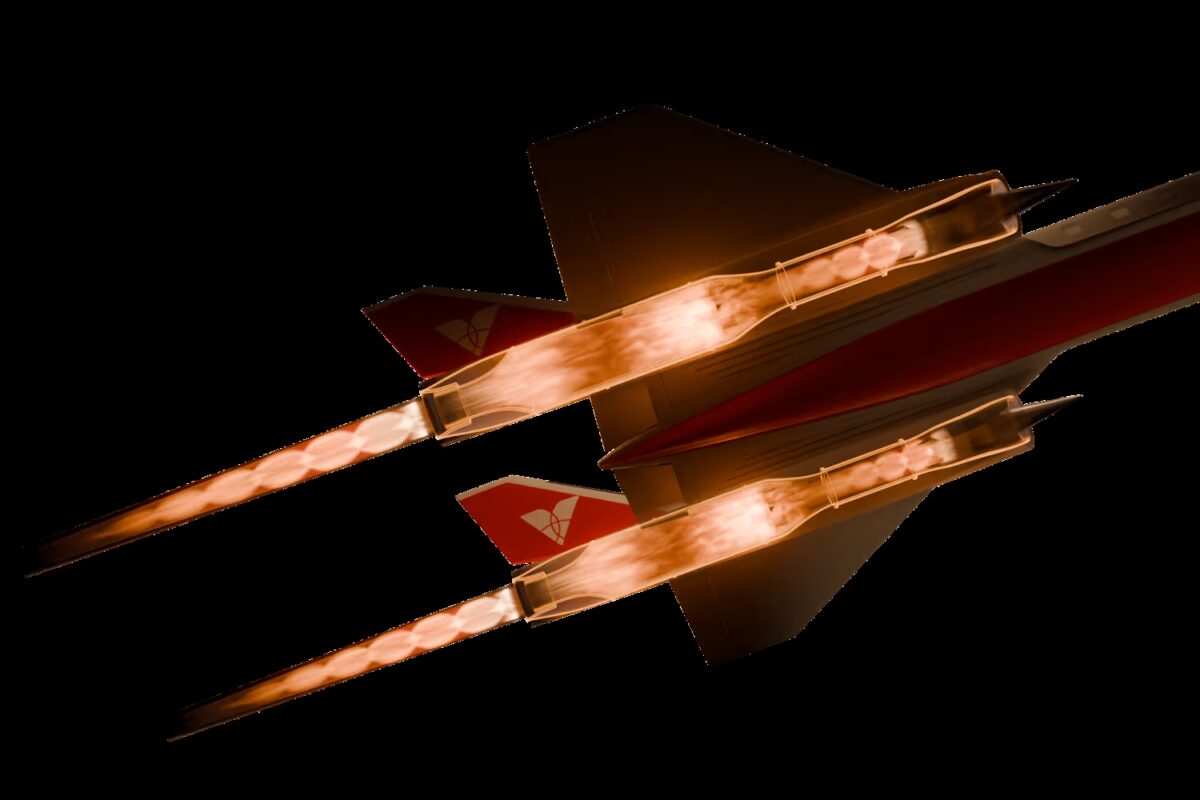
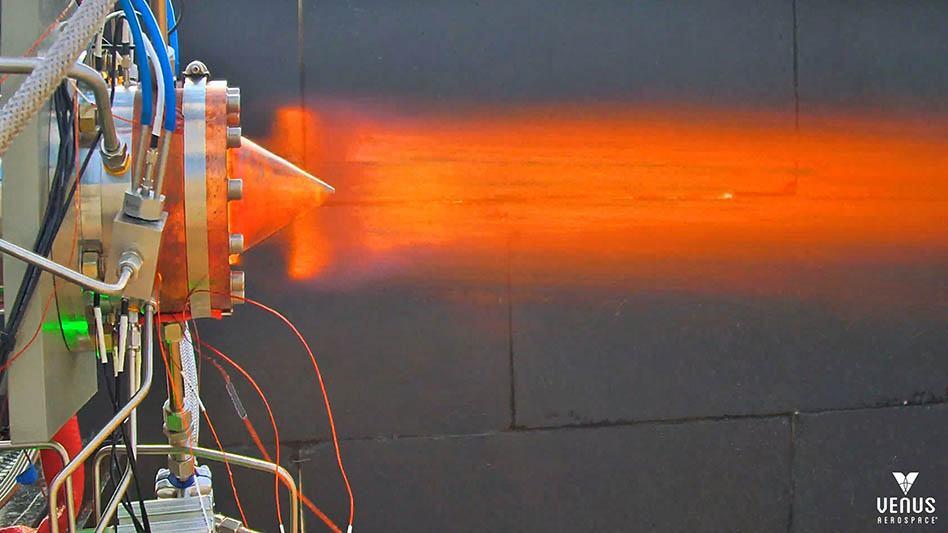
Venus Aerospace and the Future of Hypersonic Propulsion
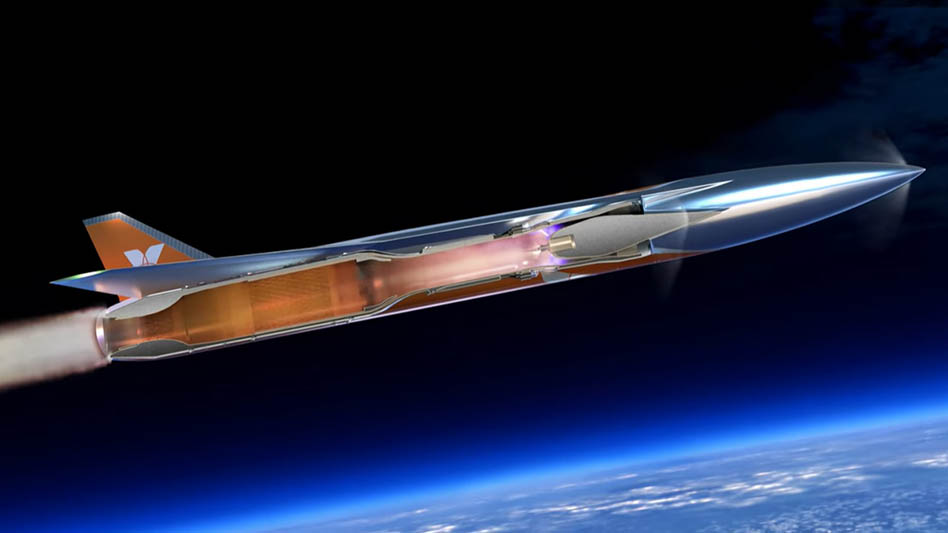
Among the companies attracting the most attention in this field is Venus Aerospace, a Texas-based startup founded in 2020 with the objective of developing hypersonic aircraft capable of operating from conventional runways. The company gained international visibility through the development of its Rotating Detonation Rocket Engine and announced the first flight test of the technology in the United States in May 2025. This achievement represented an important milestone because it marked the transition from laboratory experimentation to real-world operational validation. In addition, approximately $91 million in funding and growing interest from both the defense and space sectors have strengthened the project’s industrial credibility. Although commercial adoption is still likely years away, rotating detonation engines could initially find applications in launch vehicles, missile systems, and spacecraft. If their promises of greater efficiency and mechanical
Title : Detonation Engine: A Paradigm Shift in Propulsion
Translation with ChatGPT