
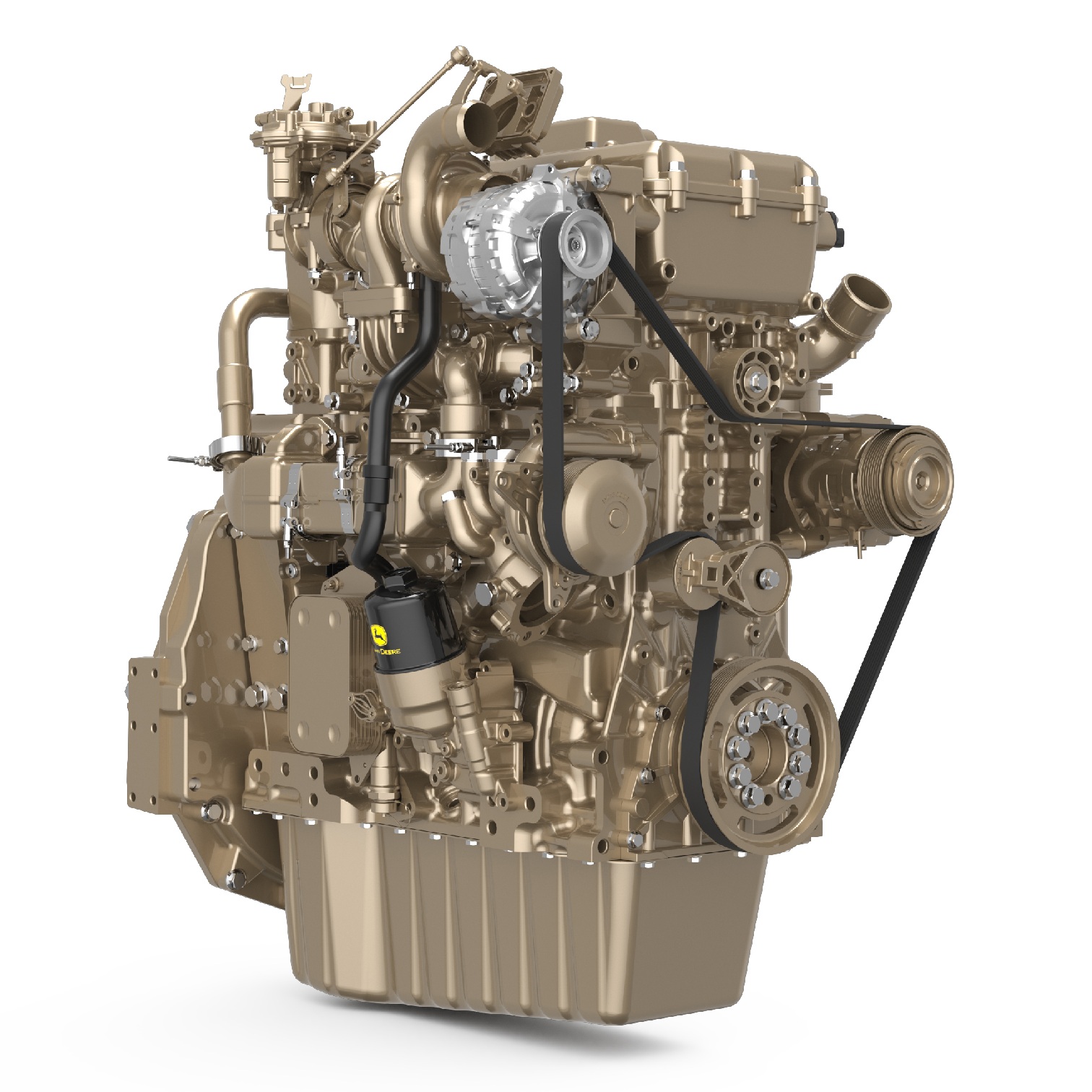
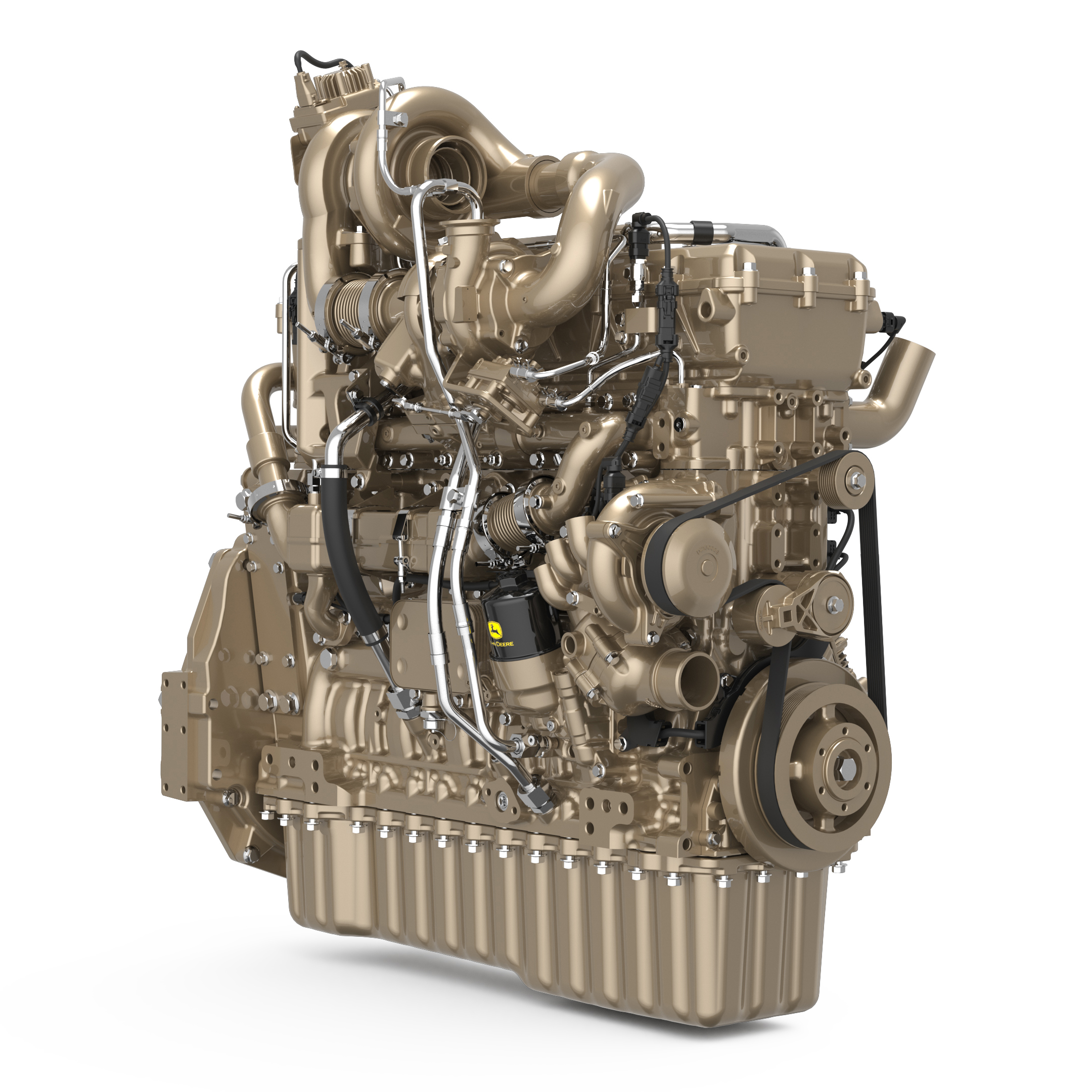
Rightsizing diesel engines is emerging as one of the most significant developments in the off-road sector. Rightsizing diesel engines is clearly reflected in the launch of the new John Deere JD5 and JD8 engine families, designed to cover the five-liter and seven-and-a-half-liter segments. Moreover, following recent introductions from Agco Power and Hyundai Infracore, the market appears to be confirming a strategic shift that is set to influence the future of engine design.
From Downsizing to Optimal Engine Sizing
For more than two decades, the industry embraced the downsizing philosophy, relying on increasingly sophisticated technologies to achieve greater performance from smaller engine displacements. Today, however, manufacturers are moving toward the concept of rightsizing, which focuses on selecting the optimal engine size for real-world operating requirements. As a result, the goal is no longer to maximize power output, but rather to deliver the same performance while reducing mechanical and thermal stress.
More Displacement for Greater Reliability and Efficiency
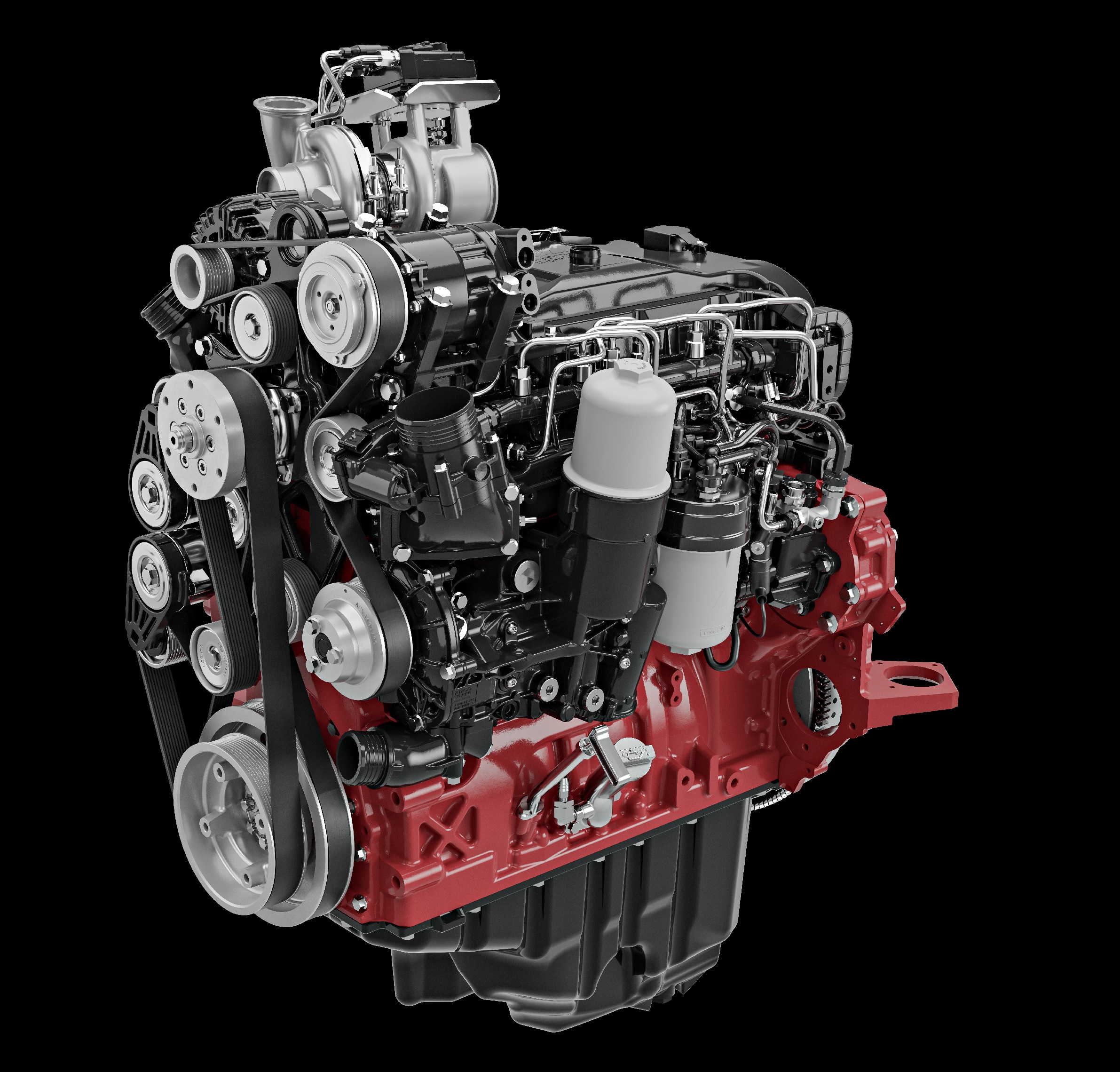
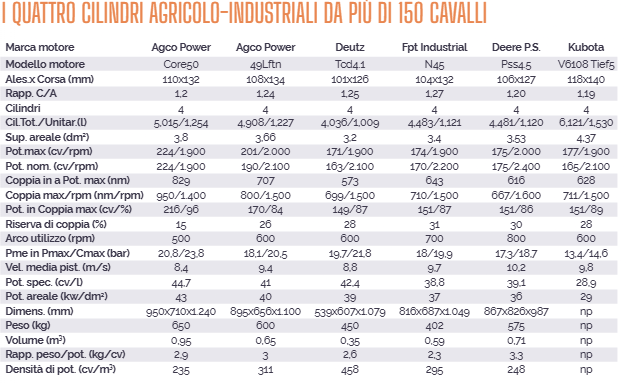
Modern four-liter engines are already capable of exceeding 200 horsepower thanks to advances in fuel injection, turbocharging and electronic controls. Nevertheless, powerplants such as the Agco Power Core50 adopt a larger displacement not to increase horsepower, but to improve reliability, efficiency and overall power delivery quality. In fact, greater displacement helps reduce combustion pressures, operating temperatures and emissions, while also providing additional flexibility for future environmental regulations.
The Growing Importance of Low-Speed Torque
Today, maximum specific power is no longer the only key performance indicator. Instead, low-speed torque availability, consistent power delivery and overall engine efficiency have become the primary priorities. In this context, engines such as the Agco Power Core50 and Hyundai Infracore Dx5 generate impressive torque figures at very low engine speeds, supporting stable performance and lower fuel consumption. Furthermore, this approach is perfectly aligned with modern CVT transmissions and the increasing use of renewable fuels such as HVO.
A Remarkable Convergence Among Major Manufacturers
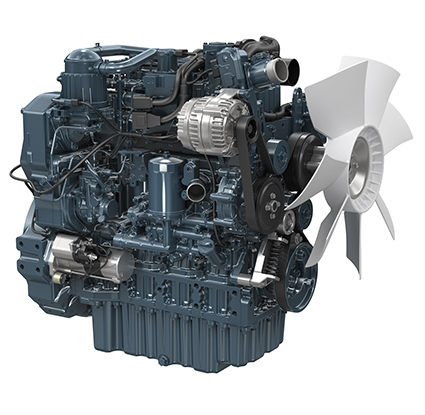
One of the most intriguing aspects of this evolution is the growing convergence of engineering solutions across different manufacturers. The Agco Power Core50, Hyundai Infracore Dx5 and Kubota V5009 share very similar internal geometries, featuring a bore and stroke of 110 and 132 millimeters respectively. Likewise, the six-cylinder versions follow the same technical approach, creating seven-and-a-half-liter engines that are now mirrored by the new John Deere JD8 platform. Therefore, the entire industry appears to be moving toward a common technical balance point.
Rightsizing as the New Engineering Philosophy
The increase in engine displacement should not be viewed as a return to the oversized engines of the past. Rather, it represents the search for a more effective balance between thermodynamic efficiency, durability and operating performance. In addition, the convergence of displacements, architectures and engineering solutions suggests that rightsizing is becoming the new benchmark for off-road diesel engine development. The remaining question is whether the complete specifications of the new John Deere JD5 and JD8 engines will ultimately confirm this industry-wide evolution.
Title: Rightsizing Diesel Engines: A New Trend in the Off-Road Industry
Translation with ChatGPT


